
Suppressing Physical Voltage Spikes Caused by High Frequency Physical Carrier Waves
The physical voltage output of a frequency converter is not a pure physical sine wave, but a series of physical square waves composed of high-frequency Pulse Width Modulation (PWM). These physical square waves generate physical reflection phenomena during long-distance physical cable transmission, causing the physical peak voltage at the motor end to reach more than 2 times the DC bus physical voltage. The Output Reactor utilizes its physical inductive characteristics to physically smooth the slew rate (dv/dt) of the physical voltage rising edge. This physical intervention limits instantaneous physical overvoltage within the physical safety threshold of the physical insulation layer, avoiding early physical damage to physical windings caused by physical breakdown.
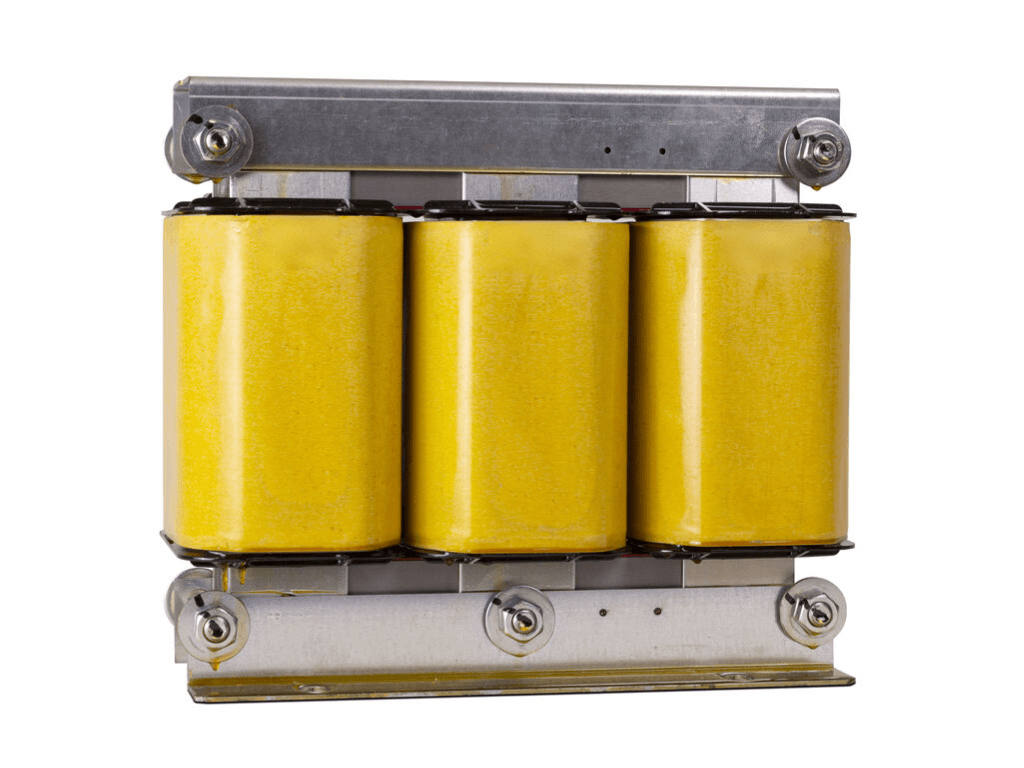
Reducing Physical High Frequency Leakage Current Generated by Physical Cable Capacitance
When the physical cable length exceeds 50 meters, a significant physical distributed capacitance forms between the physical core wire and the physical ground. This physical capacitance generates physical high-frequency leakage currents under high-speed physical switching, causing the physical frequency converter to report frequent physical overcurrent faults and aggravating the physical thermal loss of the physical motor. The Output Reactor adds physical impedance to the physical link, physically offsetting the impact of physical distributed capacitance. By reducing the physical amplitude of the physical leakage current, the system effectively reduces the physical erosion of physical bearing currents, protecting the physical metal surfaces of physical bearings from generating physical electrical spark pits.
Optimizing Physical Current Waveforms to Lower the Physical Temperature Rise of Windings
Physical harmonic currents are the primary culprits behind internal physical heat generation in physical motors. The Output Reactor possesses excellent physical filtering performance, capable of physically eliminating high-order physical harmonic components in the physical current. By making the physical current waveform approach a physical ideal sine wave, the physical copper loss and physical iron loss of the physical motor windings are significantly and physically reduced. In a physical operating environment temperature of 40 degrees Celsius, installing an output reactor can lower the physical operating temperature rise of the physical motor by 10K to 15K, which, according to Arrhenius's physical law, physically doubles the physical insulation life.
Inhibiting Physical Electromagnetic Vibration and Physical Noise Impact on Mechanical Structures
High-frequency physical harmonics not only generate physical heat but also induce physical electromagnetic force pulsations between the physical motor stator and rotor, producing sharp physical high-frequency noise. This physical vibration accelerates the physical mechanical fatigue of the physical insulation varnish, leading to physical inter-turn short circuits in physical windings. The Output Reactor weakens physical magnetic field pulsations at the physical source by smoothing the physical current, reducing the physical operating noise of the physical motor by more than 5 decibels. This physical-grade silencing effect not only improves the physical factory environment but also extends the physical fatigue cycle of the physical motor's physical mechanical structure.
Enhancing Physical Voltage Quality for Physical Motors Under Long Distance Transmission
In physical pump stations or physical mining applications with physical distances exceeding 100 meters, the superposition of physical voltage drops and physical reflected waves places the physical motor under extreme physical electrical stress. The Output Reactor matches the physical characteristics of the physical cable to physically reconstruct the physical impedance model of the physical transmission line. By physically absorbing physical high-frequency energy, it ensures the physical input voltage waveform of the end physical motor is smoother. This physical protection ensures that even after reaching 100,000 hours of physical operation, the physical insulation resistance of the physical motor remains at a physically safe level, reducing the physical frequency of unplanned physical shutdowns.
Digital Physical Synergy and the Physical Selection Logic of Series Reactors
In the physical context of modern Industry 4.0, the selection of an Output Reactor must be coordinated with the Power Factor Controller through digital physical simulation. HertzKron physical-grade reactors utilize physical silicon steel sheets with low physical loss, ensuring physical linearity remains stable even at 1.5 times the physical rated current. This physical-grade consistency, combined with the physical-grade safety disconnection capability of the Capacitor Duty Contactor, builds a complete physical power protection chain. Through the transparency of physical underlying data, we assist users in real-time physical health monitoring of the physical motor.
We firmly believe that the physical life of a physical motor is a core indicator of physical asset value preservation. Every HertzKron Output Reactor has undergone physical-grade vibration testing and physical temperature rise experiments. Through three-dimensional physical synergistic optimization of physical magnetism, physical electricity, and physical heat, we have improved the overall physical energy efficiency of the physical system by more than 5%. Choosing HertzKron means equipping your expensive physical motor with a layer of physical-grade "physical armor." Throughout a physical service cycle of 15 years, we use physical-grade technical standards to ensure your physical power system always operates within the physical optimal range.