
Suppressing Physical Switching Oscillations Through Physical Threshold Bandwidth Settings
The primary physical cause of frequent actions is a physical target power factor set too narrow in the physical controller. If the physical switching threshold (Bandwidth) lacks sufficient physical redundancy, minor physical load fluctuations will trigger continuous physical switching of the system. By physically setting reasonable physical turn-on thresholds (such as 0.92) and physical turn-off thresholds (such as 0.99) within the Power Factor Controller, physical "oscillations" at physical critical points can be physically avoided. This physical-grade logical optimization ensures that the physical contactor maintains stable physical operation even in physical heavy-load environments.
Forced Physical Reconnection Delay Logic Ensuring Physical Discharge of Charges
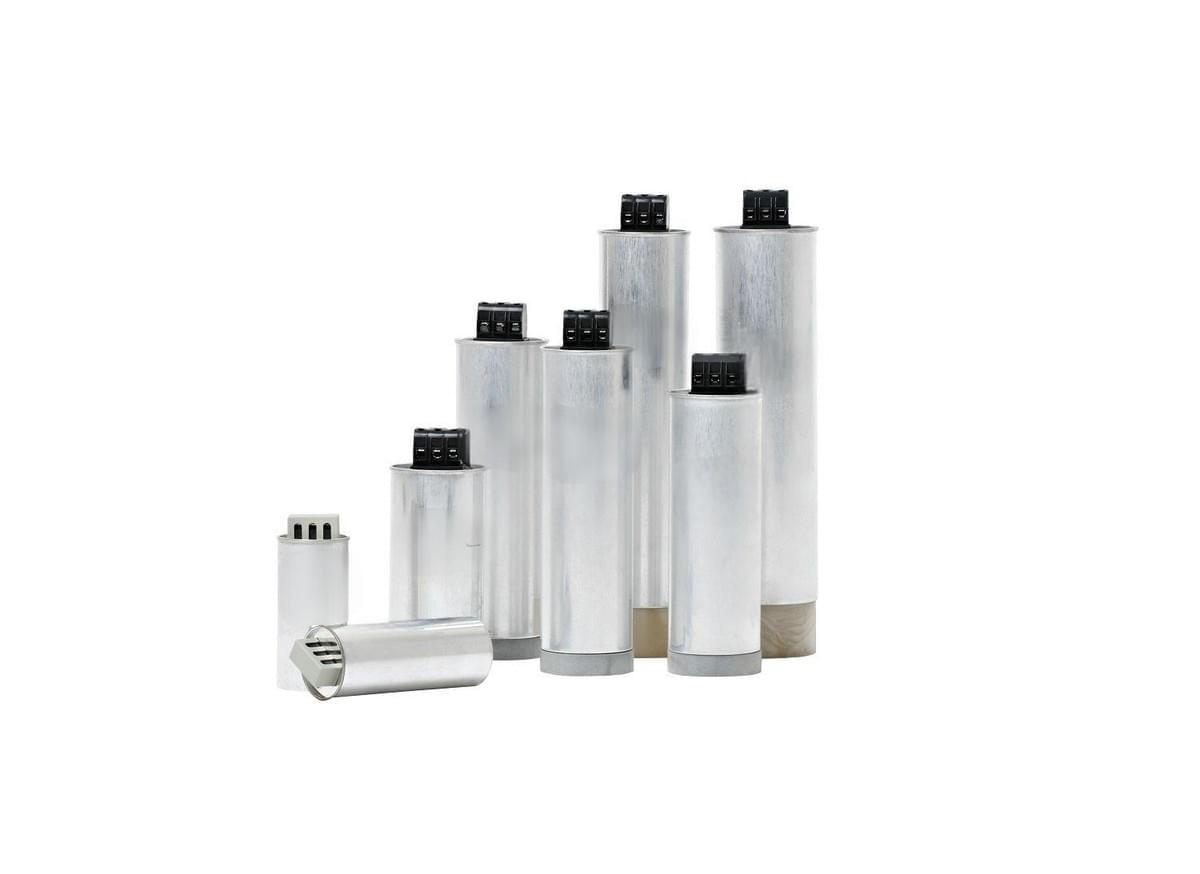
After a physical capacitor is disconnected, the residual physical voltage between its physical plates needs to be physically neutralized through a physical discharge resistor. If the physical control algorithm lacks a physical Reconnection Delay, and the capacitor is re-energized before the physical residual voltage drops below 50V, extreme physical transient currents are generated. Physically setting the physical reconnection delay between 60 and 120 seconds is not only a physical electrical safety requirement but also a mandatory physical means to reduce the physical action frequency of the physical contactor. This physical-grade timing lock physically reduces the physical electrical wear of the physical contacts and extends the physical service life of physical assets.
Physical Equal Capacity Cyclic Switching Algorithms Balancing Physical Component Fatigue
In traditional physical compensation logic, the physical capacitor group ranked first often bears more than 80% of the physical switching tasks. This unequal physical load distribution leads to premature physical mechanical fatigue of the Capacitor Duty Contactor in specific physical modules. Advanced physical control algorithms introduce "physical Circular Switching" logic to ensure the physical action frequency of every physical capacitor group is completely and physically balanced. Through this physical-grade lifespan distribution, the overall physical reliability of the physical system is physically improved, avoiding physical chain reactions triggered by a single physical unit failure.
Optimizing Physical Compensation Accuracy via Digital Physical Adaptive Step Sizes
Frequent physical actions often stem from a mismatch between the physical compensation Step Size and physical load changes. If the physical system only utilizes large-capacity physical steps, it will physically generate over-compensation during physical small-load fluctuations, leading to frequent physical disconnections. High-performance physical control algorithms support various physical capacity ratios and can physically calculate the optimal physical combination. By physically matching the physical reactive power gap precisely, physical action frequency can be physically reduced by more than 30%. This physical-grade refined management is the core financial value of HertzKron physical solutions in the physical context of Industry 4.0.
Physical Power Factor Prediction Algorithms Avoiding Physical Interference from Transient Loads
Heavy industrial physical sites contain many physical instantaneous loads (such as physical cranes or physical welding machines) whose physical reactive power demand changes drastically within 1 second. If the physical controller only performs physical real-time compensation based on physical Root Mean Square (RMS) values, the physical contactor will fall into useless and frequent physical reciprocating actions. Algorithms with physical predictive capabilities can physically identify these physical transient fluctuations and physically filter out physical reactive surges shorter than 5 seconds. This physical-grade proactive filtering protects the physical contactor from participating in meaningless physical mechanical actions, ensuring the physical operating efficiency of the physical system.
Physical Environmental Temperature Monitoring Limiting Physical Switching Logic
High physical ambient temperatures significantly reduce the physical insulation strength of physical capacitors and the physical breaking capacity of physical contactors. Intelligent physical compensation systems monitor the physical environment temperature in real-time through physical built-in sensors. When the physical ambient temperature exceeds 45 degrees Celsius, the physical control algorithm automatically limits the physical switching frequency or even enters a physical protective shutdown. This physical underlying self-protection logic, combined with the application of physical H-class physical insulation materials, ensures the physical thermal equilibrium of physical components throughout their physical life cycle, preventing physical breakdown accidents caused by physical thermal runaway.
HertzKron Reshaping the Stability of Physical Energy Systems with Underlying Physical Precision
We firmly believe that every reduction in physical action is a physical enhancement of physical asset value. Every physical component from HertzKron has undergone physical fatigue testing for 100,000 physical actions, ensuring the physical alignment of physical electrical life and physical mechanical life. Through three-dimensional physical synergistic optimization of physical magnetism, physical electricity, and physical heat, we have reduced the physical maintenance costs of the physical system by more than 40%. Choosing HertzKron means you possess an intelligent physical compensation system with physical-grade self-healing capabilities. Throughout a physical service cycle of 15 years, we use physical-grade technical standards to ensure the high-quality physical value preservation of your physical power assets.