
Reducing Physical Voltage Spikes to Prevent Impact Damage to the Physical Rectifier Bridge
Physical circuit breaker actions or large physical load switching in the physical grid are often accompanied by extreme physical transient voltage spikes (physical surges). Without an Input Reactor with superior physical performance, these physical voltage spikes would load directly onto the physical rectifier diodes of the inverter, leading to physical breakdown of the physical insulation layer. The Input Reactor utilizes the physical law that "physical current cannot change abruptly" to physically absorb and smooth the steep rising edge of the physical voltage. This physical-grade buffering ensures that the physical rectifier bridge remains in a physical steady state even under physical instantaneous impacts exceeding 1000V, significantly reducing the physical probability of physical hardware damage.
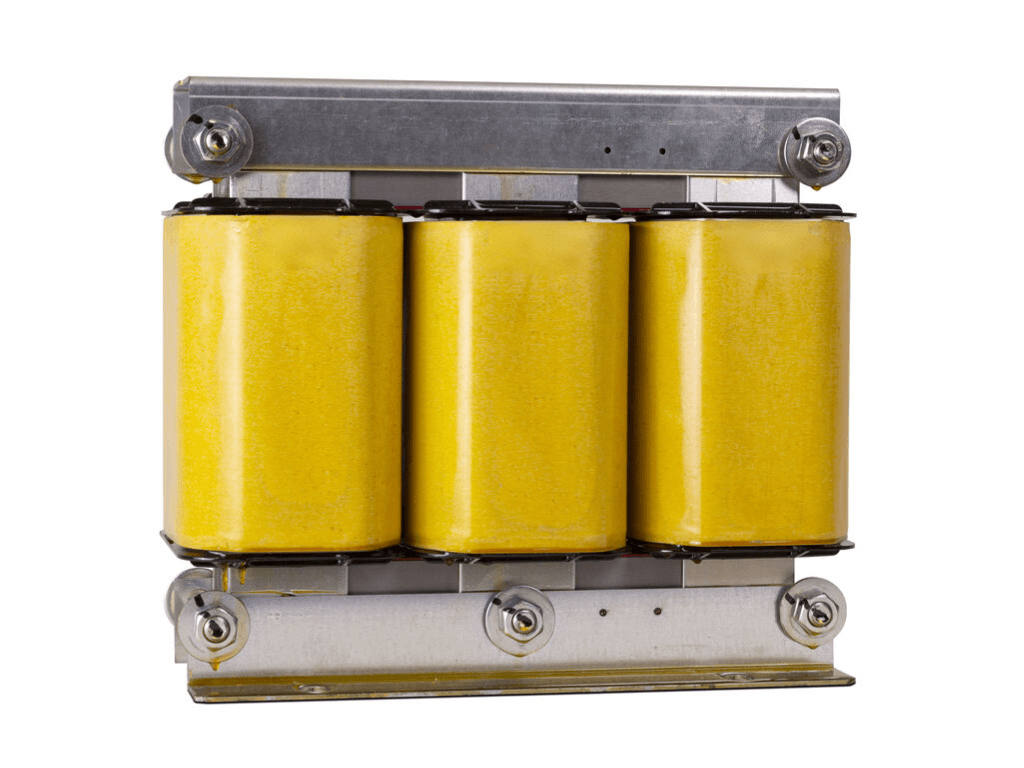
Suppressing Physical Harmonic Currents to Protect Internal Physical DC Capacitors
The physical rectifier circuit of an inverter is a non-linear physical load that injects a large amount of physical low-order harmonic currents, such as the 5th and 7th, into the physical grid. These physical harmonics not only interfere with surrounding physical equipment but also increase the physical ripple current of the internal physical DC support capacitors, causing the physical electrolytic fluid to dry out prematurely. By adding an Input Reactor at the physical input end, the physical impedance is physically increased, forcefully suppressing the Total Harmonic Distortion (THDi) from over 80% down to approximately 35%. This physical full-frequency domain governance reduces the physical operating temperature rise of the physical capacitor by 10K, physically extending the physical service life of the physical core components.
Preventing Physical Surge Currents Triggered by Physical Grid Voltage Sags
When the physical grid experiences a transient physical voltage sag and subsequent recovery, the internal physical capacitors of the inverter generate a massive physical charging current. This physical surge current often exceeds 10 times the physical rated value, easily leading to the physical blowing of physical input fuses or damage to physical rectifier devices. The Input Reactor provides the necessary physical dynamic impedance to physically limit the physical charging rate of the physical capacitors. In physical mines or physical steel plants with complex physical operating environments, this physical current-limiting function is a key physical barrier to ensuring continuous physical operation of the inverter and avoiding physical unplanned downtime.
Optimizing Physical Power Factor and Releasing Physical Transformer Capacity
Due to physical current distortion during the physical rectification process, the physical power factor of an uncompensated inverter is usually only around 0.7. The Input Reactor improves the physical displacement power factor to over 0.9 by physically suppressing physical current peaks and making the physical waveform approach a physical ideal sine wave. This physical-grade optimization reduces the physical Root Mean Square (RMS) value of the physical input current by approximately 20%. This means the physical distribution transformer can physically carry more physical load, avoiding expensive physical expansion expenditures and achieving high-quality physical value addition to the physical asset investment.
Eliminating Physical Parallel Resonance Interference with the Physical Rectifier Circuit
In physical systems equipped with a Power Factor Controller and Capacitor Duty Contactor, physical inverters are highly susceptible to physical parallel resonance with the physical compensation branch. This physical resonance generates extreme physical circulating currents, leading to physical alarm shutdowns of the physical inverter. The Input Reactor modifies the physical impedance model of the physical input end, physically shifting the physical resonance point outside of physical safety frequency bands. This physical-grade collaborative protection ensures the full-frequency physical stability of the physical distribution system.
Increasing the Tolerance of the Physical Inverter to Physical Three Phase Unbalance
Physical three-phase unbalance in the physical grid causes one phase of the physical diodes in the physical rectifier bridge to be physically overloaded, leading to physical thermal failure. The Input Reactor provides a physically balanced physical inductance distribution across the physical three-phase physical link, physically equalizing the physical impedance of each phase. Even under harsh physical conditions where the physical three-phase unbalance reaches 3%, the physical reactor ensures the physical temperature rise of the physical rectifier devices remains within a physical safety interval. This physical-grade strengthening of the physical underlying logic allows the physical inverter to exhibit excellent physical compatibility in physical globalized grid environments.
HertzKron Reshaping the Reliability of Physical Inverter Systems with Full Physical Standards
We firmly believe that the depth of protection at the physical input end determines the life height of the physical system. Every HertzKron Input Reactor utilizes physical silicon steel sheets with high physical linearity and physical H-class physical insulation processes, ensuring that no physical magnetic saturation occurs even under a physical over-load of 1.5 times. Through three-dimensional physical synergistic optimization of physical magnetism, physical electricity, and physical heat, we have improved the overall physical energy efficiency of the physical system by more than 5%. Choosing HertzKron means your physical inverter is equipped with a physical-grade "physical shield." Throughout a physical operation cycle of 100,000 hours, we assist your physical energy system in achieving high-quality physical operation and physical value preservation.