
Analyzing the Physical Spectral Characteristics Produced by Electric Arc Furnaces During the Melting Phase
During the initial physical melting stage of an Electric Arc Furnace, the extreme instability of the physical arc leads to violent physical distortion of the physical current. This physical phenomenon not only generates integer physical harmonics from the 2nd to the 50th order but is also accompanied by a large number of physical inter-harmonics and physical frequency fluctuations. Traditional physical filtering schemes are highly prone to physical resonance with the random physical pulses generated by the physical arc. By introducing the AHF (Active Harmonic Filter), the system is able to capture these transient physical features with a microsecond-level physical response speed. In the physical governance dimension, the low-voltage side is responsible for refined physical waveform reshaping, while the high-voltage side focuses on large-capacity physical fundamental reactive power support.
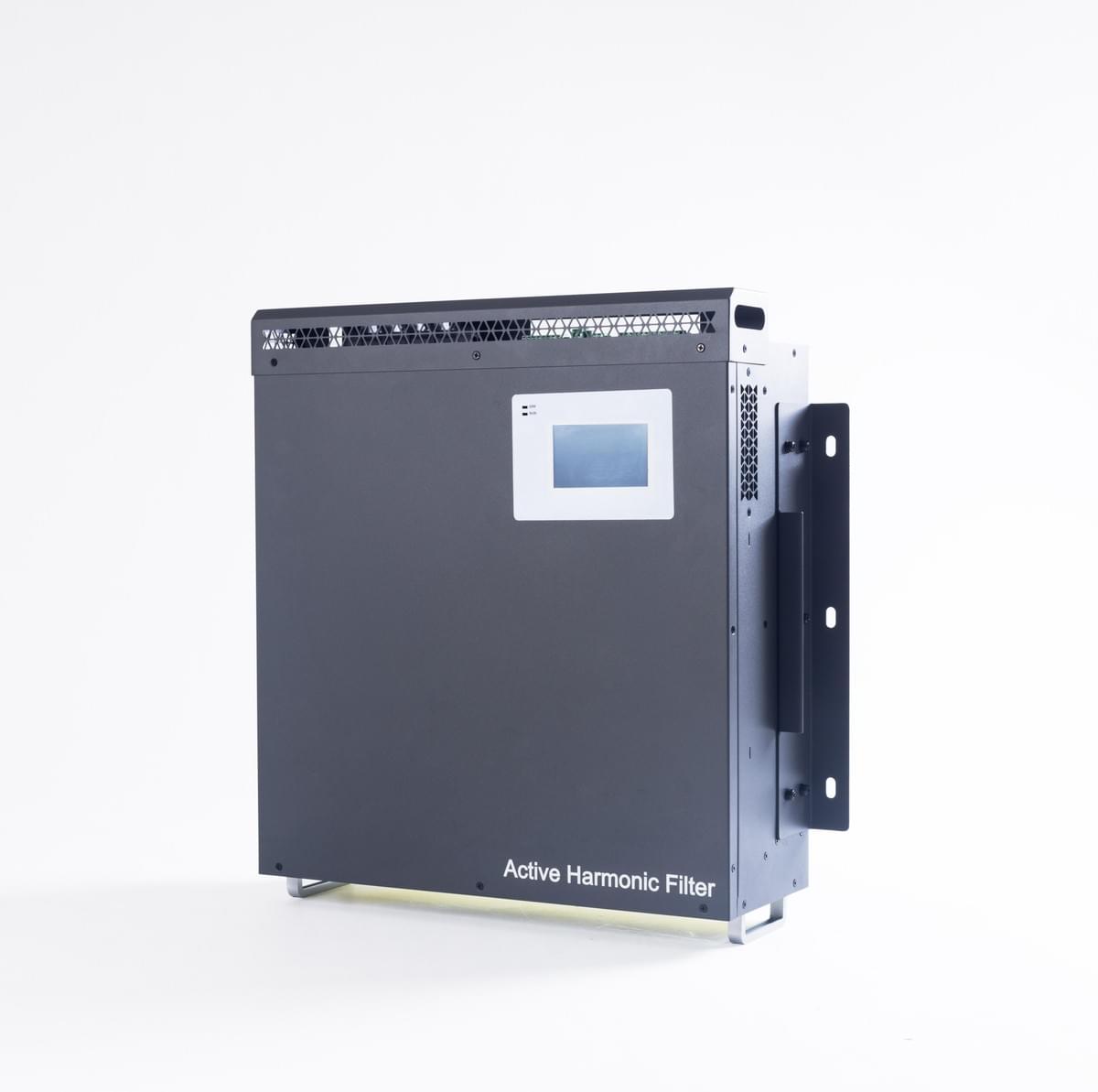
Physical Proximity Governance Logic of Low Voltage AHF on the Transformer Secondary Side
Installing a low-voltage AHF (Active Harmonic Filter) on the secondary side of the arc furnace physical transformer targets the filtration of low-order physical harmonics generated by physical rectification mechanisms and physical auxiliary power systems. Due to higher physical switching frequencies, low-voltage physical modules can perform high-precision physical differential restoration of the physical current waveform. This physical proximity governance reduces the conduction loss of physical harmonics in the physical short-net and effectively lowers the physical temperature rise of the physical windings. By achieving over 97% physical cancellation of the 3rd, 5th, and 7th order physical harmonics at the physical layer, the primary physical purity of the physical distribution system is ensured.
Global Physical Suppression of Physical Bus Voltage Distortion by High Voltage AHF
For the 10kV or 35kV physical buses of metallurgical plants, the high-voltage AHF (Active Harmonic Filter) undertakes the task of global physical governance. Because the physical impact load during arc furnace operation is massive, physical voltage flicker and physical instantaneous sags occur frequently. High-voltage physical compensation devices balance physical non-linear currents directly on the physical high-voltage grid through the dynamic physical scheduling of physical power semiconductors. This physical coordination scheme ensures that the Total Harmonic Distortion (THDi) at the Point of Common Coupling (PCC) complies with national physical electricity standards. Even under extreme physical conditions such as physical charging or physical slagging of the physical arc furnace, the physical voltage deviation can be locked within 1%.
Digital Physical Synergy Achieving Physical Load Balancing Between High and Low Voltages
In the complete physical governance scheme, the high-voltage and low-voltage AHF (Active Harmonic Filter) units do not operate in isolation but achieve digital physical synergy through physical fiber optic communication. Physical control algorithms calculate the physical distribution of physical compensation capacity in real-time; when the physical low-voltage side reaches physical full load, the physical high-voltage side intervenes instantly to share the physical harmonic current. This physical-grade distributed physical architecture, combined with the physical logic scheduling of the Power Factor Controller, greatly enhances the physical redundancy of the physical system. During physical equipment failure or physical maintenance, the physical system can still maintain at least 80% of its physical compensation performance.
Physical Scanning and Physical Adaptive Algorithms for Physical Inter-harmonics
The physical characteristics of an arc furnace dictate that the physical inter-harmonics it generates possess physical randomness, which poses extremely high requirements for the physical processing chips of the AHF (Active Harmonic Filter) at the physical level. The HertzKron physical coordination scheme adopts a physical adaptive frequency selection algorithm capable of real-time physical scanning within the physical frequency domain from 0Hz to 2500Hz. By dynamically adjusting the physical Pulse Width Modulation (PWM) frequency of the physical inverter, the system can physically cancel those non-integer physical harmonics that cannot be recognized by traditional physical equipment. This physical-grade full-spectrum coverage provides a pure physical environment for the physical automation control systems of metallurgical production lines.
Physical Impedance Reorganization Coordinating with Series Reactor and Power Capacitor
In the highly polluted physical environment of a physical electric arc furnace, the AHF (Active Harmonic Filter) often operates alongside physical branches containing a physical-grade Series Reactor. The physical coordination scheme reorganizes the total physical impedance of the physical system through active physical intervention. When physical harmonics attempt to find a physical resonance point in the physical grid, the physical controller physically shifts the physical impedance characteristic curve through physical compensation phase adjustment. This physical-grade risk evasion prevents the physical breakdown of physical components under physical overvoltage, ensuring the physical insulation strength of the Power Capacitor groups throughout their 15 year physical service life.
Asset Value Preservation of HertzKron Physical Governance Solutions in the Metallurgy Industry
Every HertzKron high and low voltage physical synergistic scheme has undergone physical-grade thermodynamic simulation to ensure high physical efficiency remains stable even in physical workshop environments with high temperatures and physical dust. We have reduced physical system losses by more than 20% through the underlying physical reconstruction of physical magnetism and physical electricity. Choosing HertzKron means your metallurgical electric arc furnace is no longer a "physical pollution source" for the physical grid, but a high-efficiency production unit conforming to Industrial 4.0 physical standards. Through the transparent analysis of physical underlying data, we assist you in achieving physical long-term value preservation and physical low-carbon operation of your physical power assets.