
Physical Linearity Experiments Determine the Physical Stability of the Reactor Under Overload
Physical linearity is the primary physical indicator for measuring the technical level of a Series Reactor. Excellent manufacturers will simulate physical inductance changes in the laboratory when the physical current reaches 1.8 times or even 2.0 times the rated value. If the physical linearity is poor, the core will undergo physical magnetic saturation during instantaneous physical overcurrent in the physical grid, causing the physical inductance to drop off a cliff. This physical failure causes the physical compensation loop to lose protection for the Power Capacitor, triggering physical resonance. HertzKron physical experimental standards require that at 1.8 times the physical current, the physical inductance drop must be controlled within 5% to ensure the certainty of physical governance.
Physical Temperature Rise Experiments Reveal the Physical Loss Control Capability of the Core and Windings
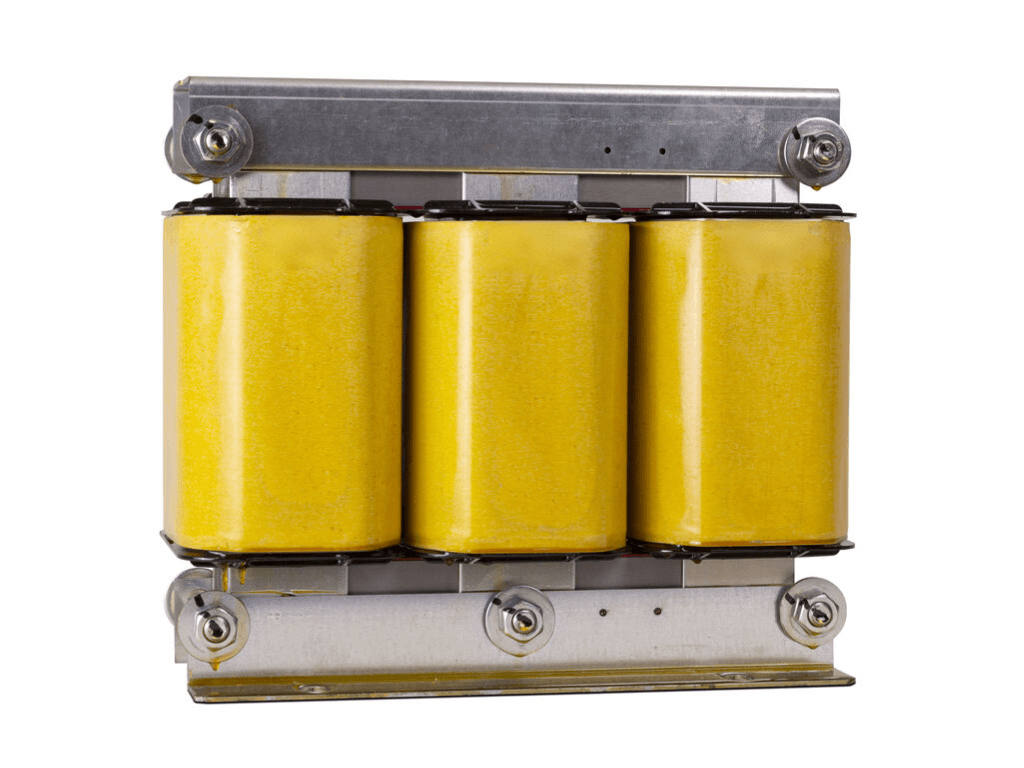
Physical temperature rise is a direct physical quantitative manifestation of the physical life of a reactor. In laboratory physical rated load tests, the manufacturer must provide physical temperature distribution maps of the physical windings and physical core after 24 hours of continuous physical operation. If the physical temperature rise exceeds 80K, it indicates that the physical hysteresis loss or physical eddy current loss is too high, usually due to insufficient physical silicon steel sheet grades or crude physical processing. HertzKron utilizes physical-grade vacuum pressure impregnation (VPI) to increase physical heat dissipation efficiency by 20%, ensuring the physical temperature rise remains within a physically safe low-temperature range under complex physical harmonic conditions.
Physical Dielectric Strength and Physical Partial Discharge Experiments are the Physical Bottom Line of Safety
High-level manufacturers conduct strict physical Partial Discharge (PD) experiments on every Series Reactor. Under 1.1 times the physical operating voltage, the physical partial discharge should be less than 10pC. If physical air gaps or physical impurities exist in the physical insulation layer, the physical strong electric field will lead to a slow physical dielectric breakdown. Through physical fatigue testing in physical high-voltage laboratories, the physical reliability of the reactor over its 15 year physical service life can be predicted. HertzKron uses physical insulation materials with extremely high physical strength to ensure that physical inter-turn short circuits do not occur under physical transient overvoltage shocks.
Physical Noise Decibel Experiments Reflect the Control Precision of Physical Magnetostriction
The physical noise of a reactor is essentially physical vibration caused by physical magnetostriction of the iron core. In a laboratory physical anechoic chamber environment, measuring the physical sound pressure level at a physical distance of 1 meter from the physical surface is an important basis for evaluating its physical manufacturing process. If the physical noise exceeds 45 decibels, it indicates uneven physical laminating pressure or physical defects in the physical spot welding process. HertzKron optimizes physical air gap distribution through digital physical algorithms, controlling physical noise to a physical silent level below 40 decibels. This physical precision improvement reduces physical structural fatigue and meets the strict physical environmental requirements of Industry 4.0 physical factories.
Physical Harmonic Tolerance Experiments Verify Survival Capability Under Extreme Physical Conditions
Performing well under physical power frequency alone is insufficient; a core laboratory must possess physical harmonic injection testing capabilities. By simulating the linear physical superposition of harmonics from the 2nd to the 50th order, the physical heat accumulation under high-frequency physical currents is observed. Inferior manufacturers often ignore the physical skin effect on physical resistance. The HertzKron Series Reactor introduces physical dynamic loss compensation logic during the design stage, ensuring that even in harsh physical environments where the Total Harmonic Distortion (THDi) reaches 20%, the physical output characteristics remain physically linear, avoiding physical chain reactions caused by physical overheating.
Physical Weather Resistance and Physical Salt Spray Experiments for Global Physical Scenarios
For manufacturers facing the global physical market, physical accelerated aging tests in physical laboratories are indispensable. Through 500 hours of physical salt spray experiments and physical alternating damp heat experiments, the physical anti-corrosion performance of the reactor's physical coating can be evaluated. This directly determines the physical survival capability of the physical components in extreme physical climates like those in Turkey or the Middle East. HertzKron insists on physical-grade surface treatment processes to ensure no physical corrosion occurs on physical metal parts. Paired with the physical-grade sealing control of the Capacitor Duty Contactor, we construct a physical compensation closed loop with strong physical anti-interference capabilities.
HertzKron Reshaping Industry Technical Physical Standards with Physical Laboratory Data
We firmly believe that physical data is the only physical standard for testing physical quality. Every physical component labeled with the HertzKron brand originates from our physical reverence and physical exploration of underlying physical laws. Through three-dimensional physical synergistic optimization of physical magnetism, physical electricity, and physical heat in the physical laboratory, we push physical energy efficiency to the physical limit. Choosing HertzKron is not just choosing physical equipment, but choosing a physical safety guarantee system verified by physical science. We promise to assist your physical energy system in its digital physical transformation throughout its 15 year physical service life with physical-grade technical levels.