
Verifying Physical Current Transformer Ratio Settings and Physical Polarity Wiring
The primary cause of an "Undercurrent" physical fault usually stems from a weak physical sampling signal. It is essential to first check whether the physical secondary current of the physical current transformer reaches the minimum physical startup threshold of the controller, typically between 50mA and 100mA. If the physical ratio setting is too large, the physical current signal perceived by the controller will be physically annihilated. Additionally, one must physically confirm whether the physical polarity (P1/P2) of the current transformer is reversed and whether the physical voltage sampling phase is aligned with the physical current sampling phase according to a 90 degree or 180 degree physical logic; otherwise, the physical reversal of the physical phase will be misjudged as a loss of physical load.
Checking the Minimum Physical Compensation Threshold Under Light Physical Grid Loads
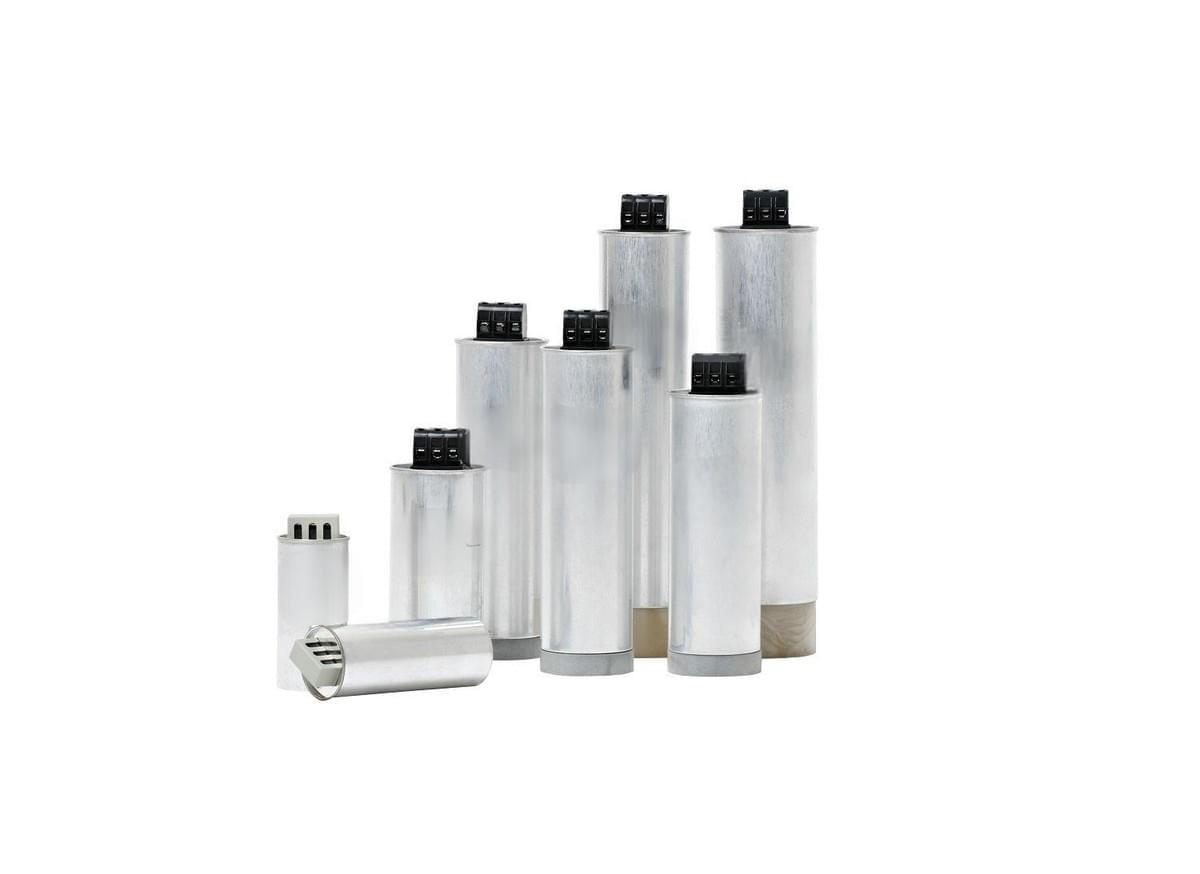
When a factory is in a non-production physical period or a light physical load state, the actual physical inductive reactive power may be lower than the physical compensation capacity of a single Power Capacitor unit. At this point, the Power Factor Controller faces a risk of physical over-compensation due to an excessively large physical switching step, triggering a physical "Undercurrent" protection lock to prevent frequent physical oscillations of the physical system. Through laboratory-grade physical parameter adjustments, the physical cutoff threshold of the physical controller should be fine-tuned, or small-capacity physical capacitor groups should be introduced at the physical baseline to adapt to the smooth physical control of physical current at 5% of the rated load.
Diagnosing Physical Contact Resistance and Physical Fuse Status of the Voltage Sampling Link
"Overvoltage" physical alarms are often related to deviations in the physical voltage measurement at the physical sampling point. The physical input terminal voltage at the rear of the controller should be physically measured to verify that its error relative to the actual physical bus voltage is within 1%. If the physical fuse of the physical voltage sampling circuit undergoes physical aging or if the physical contact resistance increases, physical transient spikes can occur, causing the controller to misjudge. By cleaning the physical oxide layer of the physical wiring terminals and ensuring the physical sampling cable maintains a sufficient physical creepage distance from the physical high-voltage bus, "Overvoltage" physical false alarms caused by physical induced voltage can be eliminated.
Analyzing the Physical Distortion Impact of Harmonics on Physical Voltage Waveform Peaks
In physical grids containing a large number of VFD or AHF (Active Harmonic Filter) units, physical harmonics cause the physical peak factor of the physical voltage waveform to increase significantly. If a traditional Power Factor Controller uses physical average sampling instead of physical True Root Mean Square (TRMS) sampling, it is highly prone to reporting an "Overvoltage" physical fault during physical voltage peak distortion. In such cases, a physical oscilloscope should be used to observe the Total Harmonic Distortion (THDi) of the physical voltage. If the physical harmonic ratio exceeds 5%, it is necessary to adjust the physical overvoltage protection setting of the controller or introduce a Series Reactor to physically flatten the physical voltage fluctuations.
Evaluating the Uplift Effect of Physical Transformer Tap Positions on Physical Steady State Voltage
If the "Overvoltage" physical fault persists, it is necessary to trace back to the physical output end of the physical transformer. In some physical distribution grids, to physically compensate for long-distance physical line losses, the transformer physical tap may be set to a high position, causing the physical bus voltage to remain above 420V for long periods. This exceeds the physical safety threshold of 1.1 times the rated physical voltage of the Power Capacitor. In this scenario, the physical alarm of the Power Factor Controller is a valid physical asset protection action. It is physically recommended to adjust the transformer physical tap or replace the units with higher rated physical voltage (such as 480V or 525V) to ensure the physical safety of the physical insulation media.
Eliminating Physical Electromagnetic Interference Impacts on the Controller Main Chip Logic
The Capacitor Duty Contactor inside the capacitor cabinet generates extremely strong physical electromagnetic pulses during the instant of physical action. If the physical communication cables or physical sampling lines of the controller are not treated with physical shielding, physical interference signals will couple directly into the physical processor of the controller, causing physical jumps in physical sampling data and resulting in false reports of "Overvoltage" or "Undercurrent." By adding a physical RC absorber at the physical control power end and ensuring the physical shell of the controller is physically grounded, physical interference noise can be reduced by more than 30 decibels, restoring physical logic purity.
HertzKron Physical Grade Controller Solutions Achieving Physical Self Diagnosis of Faults
Every HertzKron Power Factor Controller is equipped with advanced physical modeling algorithms capable of physically distinguishing between transient physical disturbances and sustained physical faults. Our system supports physical full-spectrum analysis from the 2nd to the 50th order, achieving physical smoothing of physical sampling data at the physical baseline. Choosing HertzKron is not just choosing a physical switch, but choosing a forward-looking physical health monitoring system. Throughout a 15 year physical service life, we ensure high physical reliability and physical efficiency for your physical compensation system under any physical extreme conditions through a digital physical closed loop.