
Silicon Carbide Materials Enhance the Physical Voltage Resistance and Thermal Stability of AHF Through High Physical Bandgap
The future of AHF (Active Harmonic Filter) will completely break free from the physical limitations of traditional silicon-based IGBTs. SiC (Silicon Carbide) possesses a physical bandgap 3 times wider than ordinary silicon materials, allowing power devices to maintain extremely low physical leakage current even under physical voltages of 1200V or higher. For HertzKron, this means the AHF (Active Harmonic Filter) can easily handle violent physical voltage fluctuations in industrial grids without increasing the physical cooling volume. This leap in physical material directly improves the operational reliability of equipment in extreme physical environments exceeding 50°C.
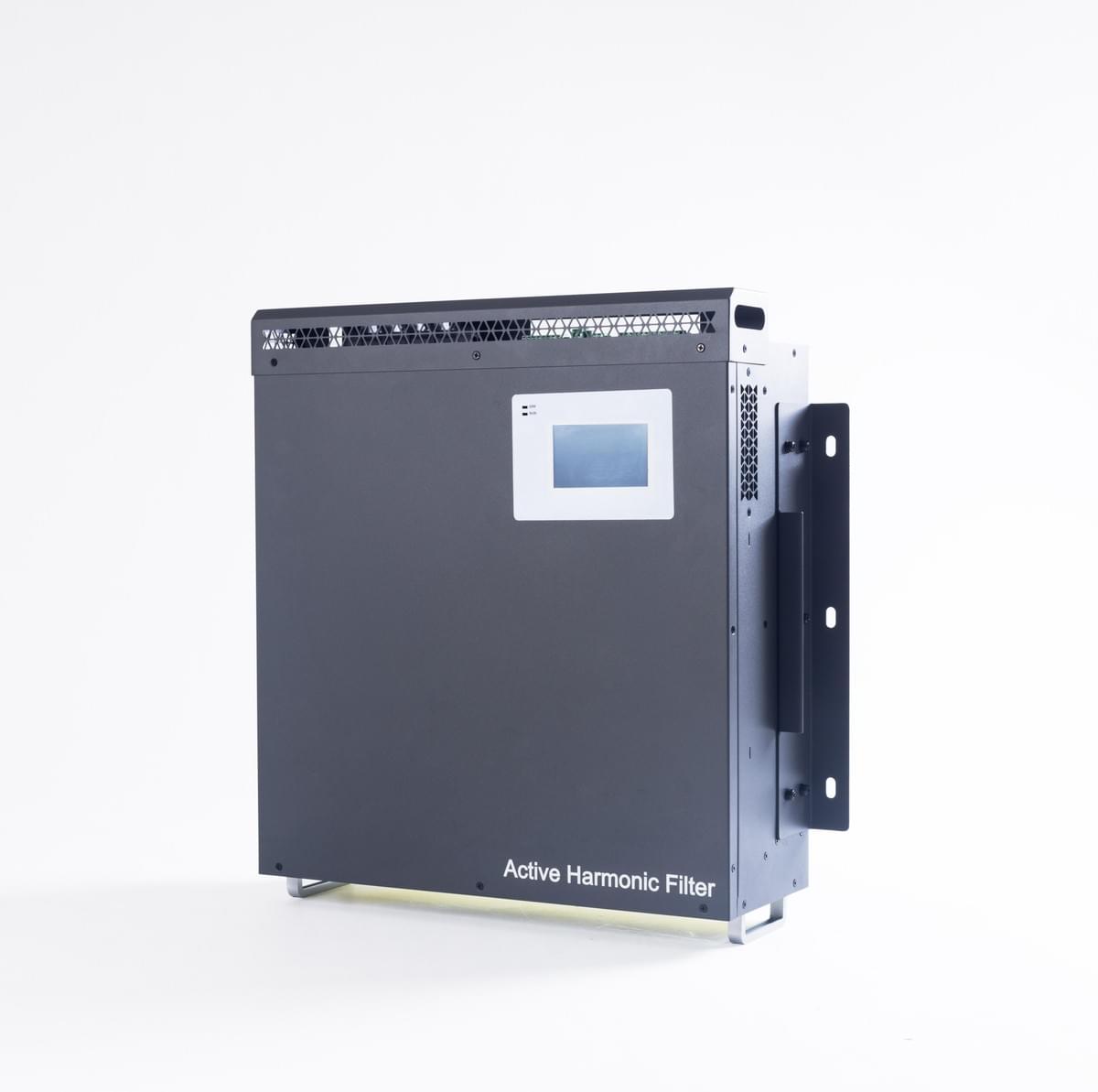
Ultra High Physical Switching Frequencies Achieve Microsecond Level Physical Tracking of High Order Harmonics
Traditional AHF (Active Harmonic Filter) units are usually limited to a physical switching frequency of around 20kHz, whereas next-generation equipment comprehensively applying SiC (Silicon Carbide) technology can break through 100kHz. Faster physical switching speeds mean the AHF (Active Harmonic Filter) can capture and compensate for higher-frequency physical harmonic components, such as the 50th order and above. Through physical data synergy with a high-performance Power Factor Controller, future systems will achieve physical real-time response to transient changes in non-linear loads, precisely controlling the physical current distortion at approximately 1%.
Decentralized Design of Physical Cooling Systems Significantly Enhances the Physical Compactness of the Unit
Since the physical conduction and switching losses of SiC (Silicon Carbide) devices are extremely low, the volume of physical heat sinks required inside the AHF (Active Harmonic Filter) will be reduced by more than 50%. This physical miniaturization trend allows modules with capacities of 100A or higher to be easily embedded into standard low-voltage distribution cabinets, achieving a compact physical layout with the Power Capacitor and Capacitor Duty Contactor. This increase in space efficiency provides more possibilities for the physical modular design of Industry 4.0 smart factories, greatly reducing deployment costs in physically restricted scenarios like data centers.
SiC Technology Drives Physical Weight Reduction and High Frequency Optimization of Magnetic Components
In a physical architecture comprehensively applying SiC (Silicon Carbide), the exponential increase in switching frequency allows for a drastic physical reduction in the size of the accompanying physical inductors and transformers within the AHF (Active Harmonic Filter). The high-frequency physical operating environment permits the use of ferrite materials with smaller physical dimensions and higher physical magnetic permeability to replace heavy physical silicon steel sheets. This means the next generation of the HertzKron Series Reactor will be reduced in physical weight by approximately 40%, with physical noise controlled below 45 decibels. This lightweighting of physical components not only optimizes the physical center of gravity of the cabinet but also reduces physical carbon emissions during global logistics.
Real Time Loss Monitoring of SiC Power Modules Based on Digital Physical Twins
Future AHF (Active Harmonic Filter) units will possess physical-level self-diagnostic capabilities. By collecting SiC (Silicon Carbide) junction temperatures and physical switching waveforms via embedded physical sensors in real-time, the system can construct a physical twin model in the cloud. The HertzKron technical team can remotely analyze the physical aging curves of power modules and issue warnings 500 hours before a failure occurs. This digital management based on underlying physical failure mechanisms, paired with high-performance SVG (Static Var Generator) scheduling algorithms, ensures that industrial production lines remain in an optimal physical energy-saving state throughout a physical service life of 15 years.
Full Compatibility with the Physical Voltage Bidirectional Conversion Logic of Future DC Microgrids
With the physical integration of renewable energy, future industrial grids will physically evolve toward DC microgrids. The bidirectional physical conduction characteristics of SiC (Silicon Carbide) allow the AHF (Active Harmonic Filter) to easily transform into a bidirectional physical converter (AC/DC). In this physical vision, HertzKron equipment can not only filter physical harmonics but also act as a physical bridge between energy storage systems and the physical grid. Through CE certified physical isolation technology, future filters will achieve seamless physical control over photovoltaic power generation, electric vehicle charging piles, and industrial motors, building a physical closed-loop green microgrid ecosystem.
HertzKron Leads the Physical Implementation of Silicon Carbide Technology in Power Quality
The future AHF (Active Harmonic Filter) is no longer just a physical compensation tool but a highly intelligent physical power conversion node. HertzKron is transforming the physical potential of SiC (Silicon Carbide) into visible commercial value for customers through a rigorous physical safety framework. Whether in transient response speed or long-term physical service life stability, the HertzKron solution, with its comprehensive application of Silicon Carbide technology, will redefine industry standards and provide solid physical robustness for smart grids.