
The Physical Root of Loud Reactor Noise Lies in the Magnetostriction Effect of Ferromagnetic Materials
The physical noise of a reactor, especially an Iron Core Reactor, primarily stems from the magnetostriction of silicon steel sheets. When a physical alternating magnetic field passes through the iron core, the physical dimensions of the silicon steel sheets change minutely with the fluctuations in magnetic flux density. This physical displacement frequency is typically 2 times the grid frequency (i.e., 100Hz and its harmonics). Furthermore, if the physical fasteners of the iron core are loose, or if the magnetic pull at the physical air gaps undergoes physical high-frequency oscillation, intense physical structural noise will be triggered. For reactors used with a Power Capacitor, if the system contains severe physical harmonic currents, the physical noise will exhibit sharper high-frequency physical characteristics.
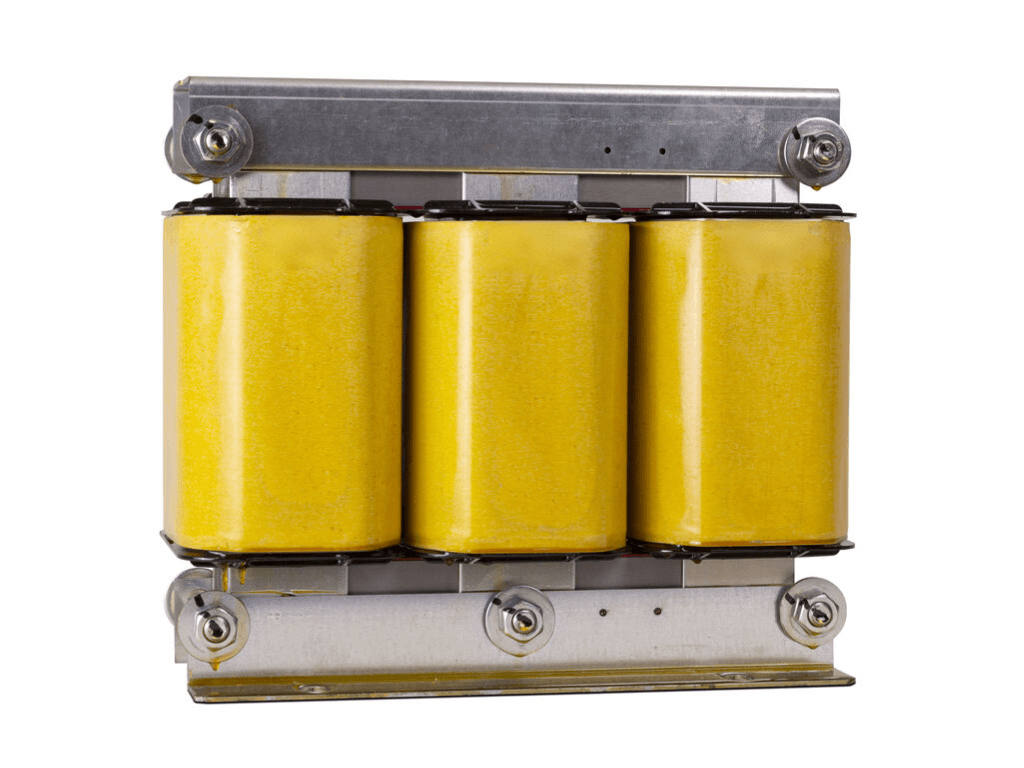
Optimizing Physical Air Gaps and VPI Processes to Suppress Electromagnetic Vibration Noise from the Source
To address noise caused by physical magnetic circuit characteristics, the most effective noise reduction method is to optimize the physical structure of the iron core. HertzKron utilizes a multi-stage physical air gap design during manufacturing, significantly reducing the concentration of localized physical magnetic pull by splitting large physical air gaps into multiple micro-physical gaps. Simultaneously, through the Vacuum Pressure Impregnation (VPI) process, physical insulating varnish thoroughly penetrates the physical crevices of the silicon steel sheets to form a solid physical whole. This physical curing treatment effectively suppresses the minute vibrations of physical laminations. Experimental evidence shows that reactors treated with advanced physical VPI can reduce physical noise by 5 to 10 decibels.
[Image showing reactor iron core gaps and VPI insulation process]
Adopting Physical Vibration Damping Bases to Block the Physical Transmission of Noise to the Cabinet Structure
Even if the physical vibration of the reactor itself is small, if it is directly hard-connected to the bottom plate of the distribution cabinet, the physical vibration will cause physical resonance through the cabinet body and amplify. An effective means of physical noise reduction is to install specially designed physical damping pads or physical spring supports at the bottom of the reactor. These physical buffering elements can absorb more than 90% of the physical vibration energy, cutting off the physical path of noise propagation. For precision control cabinets equipped with a Power Factor Controller, this physical isolation also prevents physical fatigue damage to sensitive electronic components caused by physical jitter.
Avoiding Physical Resonance Frequencies of Structural Members Through Physical Modal Analysis
During the physical design phase, if the natural physical frequency of the reactor overlaps with electromagnetic excitation frequencies (such as 100Hz or 300Hz), it can trigger catastrophic physical resonance. HertzKron performs physical modal analysis on the metal brackets and fasteners of the Series Reactor using finite element physical simulation software. By changing the physical cross-sectional shape of the beams or adjusting the physical pre-tightening force of the physical bolts, we shift the physical natural frequency of the structure out of the noise-sensitive zone. This avoidance strategy, rooted in physical mechanics, ensures that the equipment will not produce a physical hum even during non-linear load fluctuations.
Optimizing the Physical Acoustic Characteristics of Forced Air Cooling to Reduce Auxiliary Heat Dissipation Noise
For high-power compensation systems, the physical tangential airflow of fans is often a source of secondary physical noise. To achieve ultimate physical silence, future noise reduction solutions will focus on the physical synergy between air ducts and the physical arrangement of reactors. By installing physical silencing grilles at the air inlet and adopting low-speed, high-torque physical fans, the physical airflow friction noise can be significantly reduced. Paired with a Power Factor Controller featuring physical temperature control logic, the system only starts forced heat dissipation when the physical temperature rise exceeds 65 degrees Celsius, minimizing the duration of physical noise.
Coordinating with AHF to Govern High Order Harmonics and Eliminate Physical Shrieks Caused by Non Linear Currents
In physical environments with severe harmonics, reactors will produce a piercing physical howl due to withstanding high-frequency currents. At this point, simple physical reinforcement can no longer solve the problem; AHF (Active Harmonic Filter) must be introduced for active governance. Through the precise physical cancellation of specific frequency harmonics by the AHF (Active Harmonic Filter), the current flowing through the Series Reactor returns to a smooth physical sine wave, thereby eliminating high-frequency physical oscillations at the physical source. This physical coordination scheme not only makes the physical environment quieter but also protects the physical contacts of the Capacitor Duty Contactor.
HertzKron Provides Low Noise Power Quality Solutions Meeting Physical Acoustic Standards
Every HertzKron reactor passes rigorous physical sound level testing, ensuring that under full physical load conditions, its physical noise is always controlled within the physical safety threshold of 45 decibels. We model the physical magnetic flux density of the iron core through physical simulation and optimize the physical pre-tightening force of the physical pressure plates, ensuring the equipment remains physically robust throughout a physical service life of 15 years. Choosing HertzKron is not just about choosing efficient physical power factor correction, but also choosing high-quality power assets with physical silence characteristics for your Industry 4.0 production lines.