
Cylindrical Physical Structures Possess Superior Radial Heat Dissipation and Temperature Rise Control
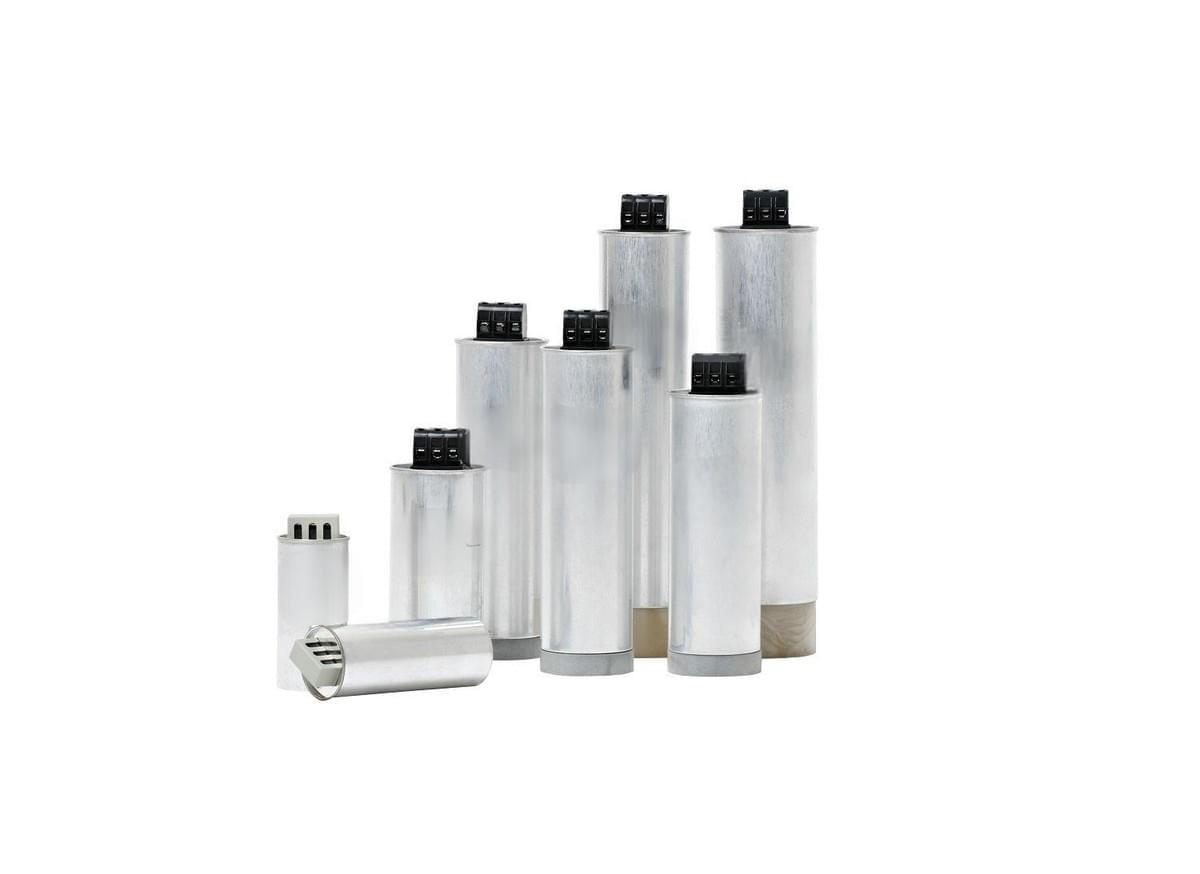
The Cylindrical Capacitor utilizes a physically wound structure where a uniform physical gap exists between the aluminum casing and the internal physical core, greatly facilitating the convection of physical cooling oil or gas. Because the physical surface-area-to-volume ratio of the cylinder is physically optimized, heat can conduct rapidly from the core toward the casing along the radial path. At a physical ambient temperature of 50°C, the internal physical temperature rise of a cylindrical structure is typically 5 to 8 degrees Celsius lower than that of a Square-type Capacitor. For systems operating long-term with a Series Reactor, this physical heat dissipation advantage effectively delays the physical aging of the metallized film, extending the physical lifespan by approximately 20%.
Square-type Capacitors Achieve Larger Physical Integration of Single Unit Capacity Through Internal Parallelism
In contrast, the interior of a Square-type Capacitor is usually composed of multiple small physical cores connected in parallel. This physical layout allows for the physical integration of massive capacities up to 50kVAR or even 100kVAR within a single physical module. While the physical volume utilization of the square-type is higher, in high-frequency harmonic environments, cores located at the physical center tend to generate localized physical hotspots due to longer physical heat dissipation paths. Therefore, square-type products generally require more precise multi-channel physical temperature monitoring. HertzKron square-type series optimize the internal physical arrangement to ensure stable physical impedance characteristics even under high physical current impacts.
Differentiated Designs of Explosion Proof Performance and Physical Safety Disconnection Mechanisms
In the dimension of physical safety, the Cylindrical Capacitor possesses a natural physical advantage in pressure protection. When internal physical gas causes pressure to rise, the cylindrical aluminum shell undergoes physical elongation, triggering the Overpressure Disconnector at the top to cut off the current in a physical instant. A Square-type Capacitor, however, often relies on internal physical fuses or an external Capacitor Duty Contactor for secondary protection. Although square-type units also feature physical explosion-proof structures, the physical single-point failure protection logic of the cylindrical design is more direct. In physical topologies containing a high volume of AHF (Active Harmonic Filter), the physical safety of the cylindrical form is more favored by engineers.
Trade Offs Between Physical Integration and Seismic Resistance for Different Installation Spaces
At the physical installation level, the Square-type Capacitor, due to its regular physical geometric shape, can be stacked compactly like physical building blocks, greatly saving physical horizontal space inside the distribution cabinet. However, in industrial physical environments with frequent vibrations (such as mines or ships), the physical seismic performance of the Cylindrical Capacitor is superior, as the cylindrical shell decomposes physical stress more uniformly, avoiding physical fatigue cracks at the physical edges of the square-type. All HertzKron products have passed physical mechanical strength tests for CE Certification, ensuring that the physical encapsulation will not suffer physical leakage throughout a physical service life of 15 years.
Beyond the simple choice of physical shape, HertzKron focuses on the physical compatibility of these components within the evolving smart grid. By evaluating the physical harmonic spectrum of your facility, we help you decide whether to deploy high-durability Cylindrical Capacitors for heavy-duty industrial loads or space-efficient Square-type Capacitors for compact commercial distribution. Every installation is optimized using a high-performance Power Factor Controller to ensure that your physical power assets remain resilient against the transient stresses of Industry 4.0. This data-driven approach to selection ensures that your investment in power quality not only meets current CE standards but is physically prepared for the bidirectional energy demands of the next decade.