
Control Ambient Operating Temperature Strictly to Prevent Physical Expansion of Capacitor Electrolytes
The impregnating agents inside a Power Capacitor are extremely sensitive to heat. When the physical ventilation within a distribution cabinet is insufficient, causing the Power Capacitor to operate in a physical environment exceeding its rated temperature for long periods, internal pressure rises rapidly. This physical pressure first manifests as bulging of the casing, followed by physical failure of the seals and oil leakage. If heat continues to accumulate, the internal metallized film of the Power Capacitor will undergo large-scale physical meltdown and generate significant gas, eventually triggering a violent casing explosion. Ensuring the distribution room is equipped with physical cooling fans of sufficient power and maintaining the ambient temperature below Forty Degrees Celsius is the first line of defense against physical rupture.
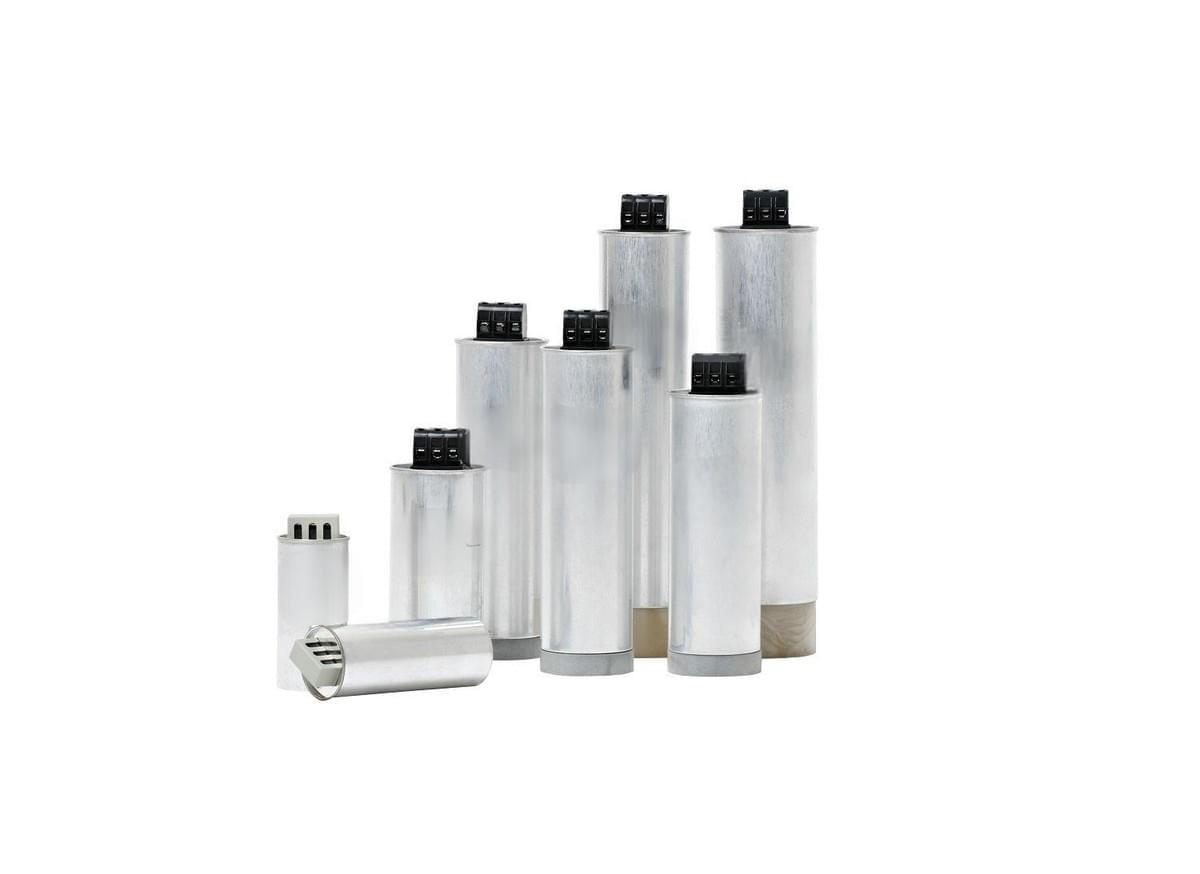
Configure a Series Reactor to Eliminate Physical Overload Stress Caused by Harmonic Currents
In a power grid filled with non-linear loads such as frequency converters, harmonic currents surge easily into the Power Capacitor branch. Since the physical impedance of a Power Capacitor decreases as frequency increases, high-order harmonics generate Root Mean Square currents that are several times the rated value. The Joule heat generated by this current overload accelerates the physical degradation of the insulating medium, forming localized physical breakdown channels. By connecting a Series Reactor (Series Reactor) with a tuning rate of Seven Percent or Fourteen Percent into the circuit, the inflow of harmonics can be effectively blocked at the physical source, thereby keeping the physical operating current of the Power Capacitor within a safe margin.
Select Specialized Contactors with Current Limiting Functions to Suppress Physical Inrush During Closing
Every closing action of a Power Capacitor is accompanied by an extremely high rate of voltage change, generating physical inrush currents of more than One Hundred Times the rated current. Without the physical buffering provided by the pre-charging resistors of a Capacitor Duty Contactor (Capacitor Duty Contactor), the massive electromagnetic force generated at the moment of contact closure directly impacts the internal lead wires of the Power Capacitor. These repeated physical shocks lead to physical loosening of internal connection points and increased contact resistance, eventually triggering localized arc discharges and burning out the Power Capacitor. Using specialized switching components with CE Certification is a core detail for maintaining the physical logic integrity of the system.
Perform Regular Physical Capacity Inspections to Identify Physical Self Healing Decay of the Metallized Film
The metallized film inside a Power Capacitor possesses a physical self-healing function, but every self-healing event leads to a reduction in the physical effective area and a decrease in capacitance. When the actual capacity of the Power Capacitor drops below Ninety Percent of its initial value, the internal electric field distribution will undergo severe physical distortion, and the remaining insulation layers will endure higher electrical stress. This physical vicious cycle is the primary cause of sudden Power Capacitor explosions in the later stages of operation. By conducting a physical parameter inspection every quarter and promptly phasing out old units with severe capacity decay, potential physical disasters can be effectively stifled in the cradle.
Ensure the System Possesses Reliable Physical Overvoltage Protection and Internal Fuse Cutoff Mechanisms
Lightning strikes or operational overvoltages in the grid are external drivers that induce physical breakdown of the Power Capacitor. Every HertzKron Power Capacitor is equipped with a physical explosion-proof pressure relief structure to ensure the circuit can be disconnected before the internal pressure reaches a physical limit. However, external overvoltage protectors are equally indispensable. By setting reasonable physical protection thresholds and ensuring the Power Capacitor bank is disconnected when the voltage fluctuation exceeds One Point One Times the rated value, instantaneous collapse of the insulation layer due to physical over-electrical stress can be prevented, thereby constructing a complete physical safety redundancy system.